
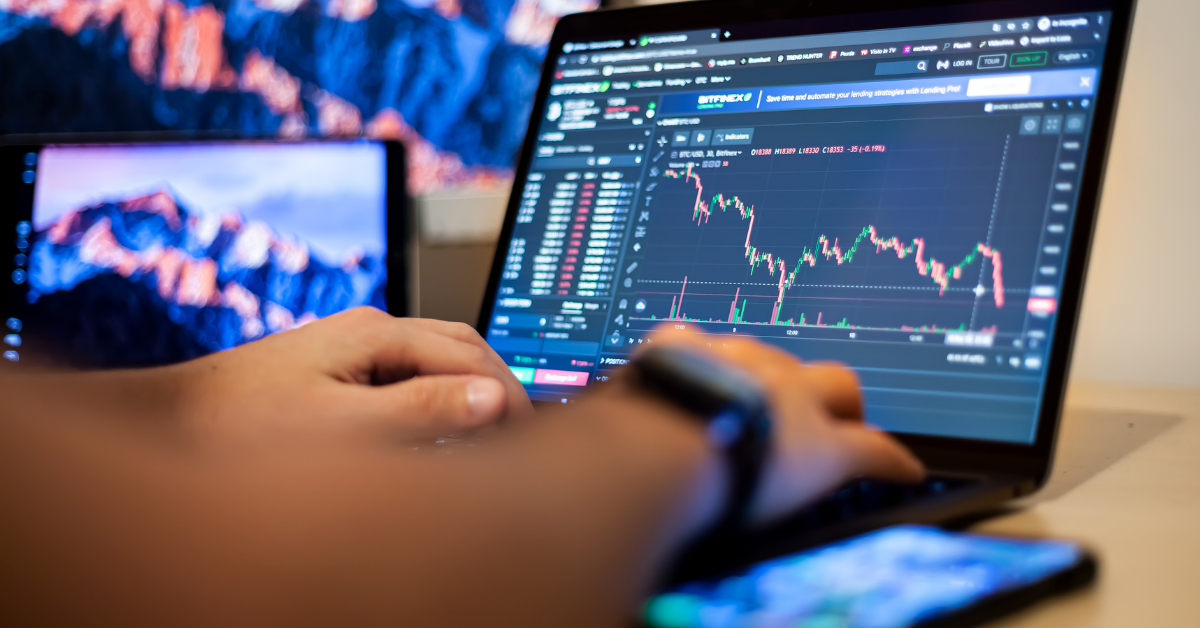
Futures trading can be an enjoyable and profitable undertaking, but a financially ruinous one particularly with no plan and self-directed method of education for beginners. New traders must have full command of the process from mock trading to trading with live money. This article takes you through the actual experience of demurring down from demo accounts to funded accounts on a regulated prop trading desk. If confidence-building, backtesting, or enduring rollercoaster times like Nasdaq futures trading hour is your issue, this introduction is attempting to make it down-to-earth, safe, and astute for new futures traders.
Start with Simulated (Demo) Trading
All new participants in futures start with simulation or demo trading. It is the best means of acclimating to future procedure how to order, what leverage feels like, and how price action reacts second by second. Demo trading allows you to acclimate to contract specifications, margining, and platform risk-free. You'll even learn how quickly positions snowball against you, especially in hyper-volatile conditions like Nasdaq futures. Sim trading restrictions, test setup, and promotes healthy habits before trading live markets.
Maestro Horas de Trading
Futures hours are not equal, especially when Nasdaq futures are open. Futures are ostensibly 24/5 open but with varying degrees of volatility and liquidity during the trading day. Busy times correspond to U.S. stock market hours typically 9:30 a.m. to 4:00 p.m. Eastern Time. Newer traders will trade during those periods to take advantage of better execution, less slippage, and tighter spreads. Thin trading sessions late night or pre-market, for instance are prone to bad fills and weird movement, and you are taking the risk when you are new.
Mastering the Fundamentals Before You Go Live
You need the fundamentals before you go live. They are margin, tick sizes, contract specs, risk/reward, and order types. You will also need to master the art of establishing good take-profit and stop-loss levels. New traders' futures trading is not home-run time it's learning the art of survival. A firm money account is something that a brokerage firm is going to want you to get skilled at in a practice account first, so they can observe how you risk and how you're consistent before they leave firm money in your hands. That way, you've learned the most vital parts of long-term profitability.
Make a Plan and Follow It
All the new traders jump from time frames to indicators and strategies. That leads to frustration and meaningless results. On demo trading, the mission should be to choose one or two strategies e.g., trend following, scalping, or breakouts and master them. As a beginning, nasdaq future trades are told to begin with Nasdaq futures as they are liquid and respond to technical conditions. Opening range breaks or volume trades, day trading in major Nasdaq future trading hours will give you the maximum payoff. Discipline yourself and keep track of performance in minute detail in a trades journal.
Risk Management is Non-Negotiable
Regardless of how solid your setup may seem to you, there is never a riskless trade. Risk control is the method with which you stay in business. Right-sized trades, stop losses, and not over-leveraging are the way that you do it. Part of the requirement beforehand is never risking more than 1% of your account on a trade. You will be tested with compliance with very tight risk limits such as maximum drawdowns and loss limit per day at a prop trading firm. Risk management is even more important trading with volatile, especially during Nasdaq futures market hours, when even movement of the markets is drastic and steep.
Transitions to Live Trading with Caution
Then comes live trading following consistent success on a demo. One's emotional skills are finally tested by this point. Live money puts pressure, greed, and fear on the table. Begin small. Trade a single contract. Do what you do that worked. Don't trade on the grounds that the market is just running great guns. You simply have to continue with the same rules and discipline that did work in simulation. If anything, hedge yourself live trading exaggerates every move.
Become Proficient at Funded Account Review
The majority of prop firms provide access to funded accounts via the intermediary of a reviewed management process. Your performance here is tracked in profit, risk, and consistency. Your expectations must be high and typically consist of profit targets, daily maximum drawdown, and trading days. That's the test that is created to keep you from being lucky you're in the driver's seat. It's the final exam for would-be traders to see if they deal with real money. It won't make you rich it will show you how to play the game anyway.
Keep a Record of Your Progress and a Record of All Trades
Your own private counselor to your own private progress is your own notebook.
Write down each trade entry, exit, why, how you feel, and outcome. It is about starting to make the cyclical scenario shift: trading well, profitable trades, and cycles of error. Use it as a criticism and change your style. Kitchen writing is a cycle of discovery that keeps amateur traders from being devoted traders. It does ultimately make you independent and allow you to transform a novice trader into an independent, expert trader.
Prioritizing Creating a Routine
Trading is not showing up for every move but showing up for the moves that it must. New traders should do their best to institute a tight regimen: morning preparation, reviewing the economic calendar, trading just the high-liquidity sessions (i.e., just the Nasdaq futures session trading), and reviewing end-of-day performance. A tight regimen adds focus, eliminates inconsiderate trades, and reduces stress.
Conclusion
Futures trading for beginners is full of ups and downs, but a strong foundation in risk management, trading discipline, and strategy consistency can accelerate the learning curve. Focus on sim trading until you’ve mastered the basics, move to live trading with care, and treat the funded account phase with the seriousness it deserves. Trade on the strong hours, religiously risk manage, and remain emotionally detached. Survival characteristics, not just to exist but thrive in the long run.